Museums and science centers face a perpetual challenge: how to make exhibits about subjects from the distant past — dinosaurs, ancient ecosystems, prehistoric life — feel relevant and engaging to visitors who have grown up with instant digital entertainment. Animatronic dinosaurs have emerged as one of the most effective tools for bridging that gap, turning passive gallery spaces into active, memorable learning experiences.
The data is clear: museums that add high-quality animatronic exhibits consistently report increased attendance, longer visitor dwell times, better knowledge retention, and higher visitor satisfaction scores. This is not just entertainment — it is effective education.
Why Animatronics Work Better Than Static Displays
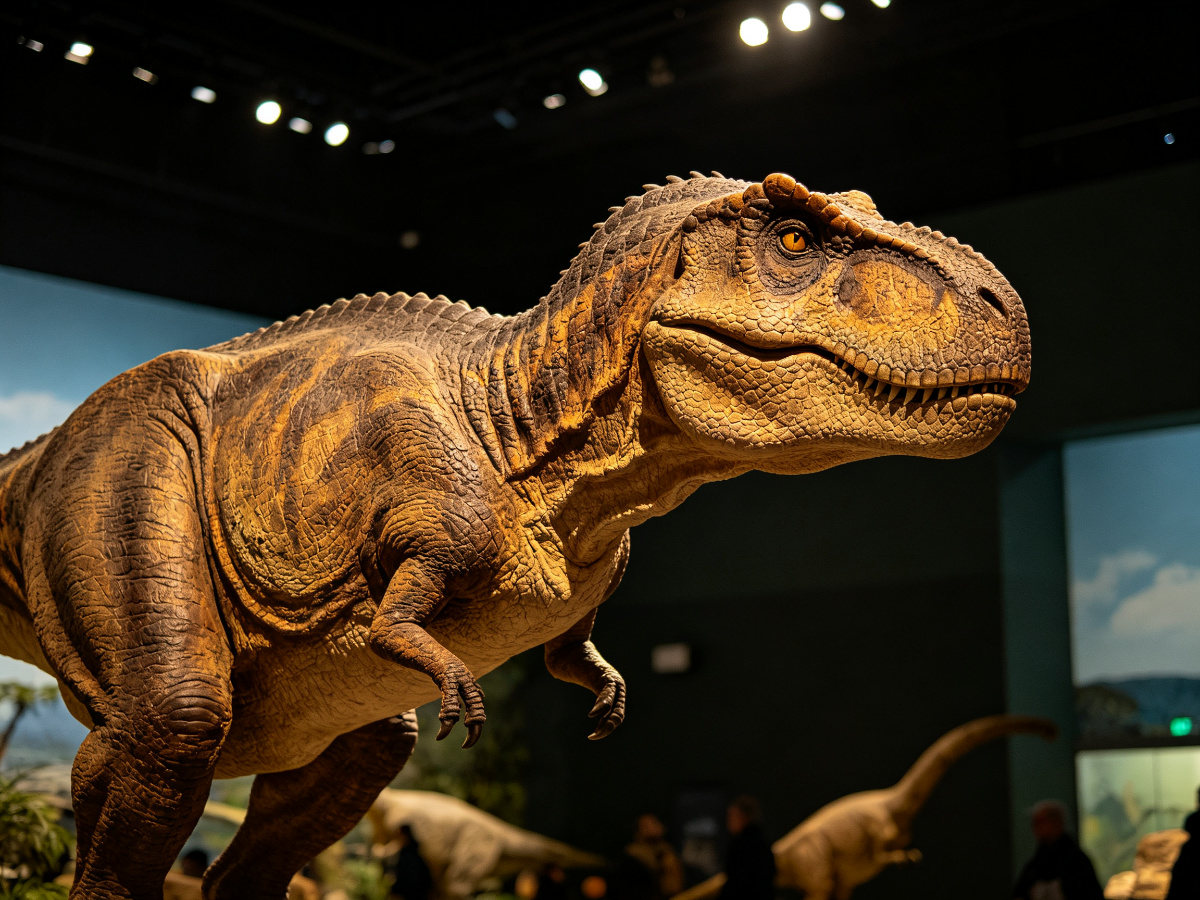
Static fossil skeletons and dioramas have been the backbone of natural history museums for over a century. They are valuable, irreplaceable artifacts. But animatronic dinosaurs complement them by providing something skeletons cannot — a sense of how these animals actually looked, moved, and sounded when alive.
Cognitive science tells us that multi-sensory, immersive experiences create stronger memory formation than passive viewing. When a visitor sees a T-Rex move, hears its roar, and feels the low-frequency rumble in their chest, the experience engages multiple brain regions simultaneously. The result is not just a stronger memory of the exhibit itself, but better retention of the educational content that accompanies it.
Research by the Association of Science-Technology Centers has shown that interactive animatronic exhibits improve visitor knowledge retention by 40-60% compared to traditional text-and-skeleton displays. Visitors also rate these exhibits as significantly more enjoyable and are more likely to recommend the museum to others.
Designing Museum-Quality Animatronic Exhibits
Not every animatronic dinosaur is appropriate for a museum setting. Museum installations have specific requirements that differ from theme park applications:
- Scientific accuracy: Museums demand the highest level of paleontological accuracy. Postures, proportions, and details must reflect current scientific consensus, not Hollywood interpretations. SAGE works with paleontological consultants to ensure museum-grade accuracy.
- Educational integration: The dinosaur should not be a standalone spectacle — it needs to be integrated into an educational narrative with supporting information, interactive elements, and curriculum connections.
- Adjustable behavior: Museum dinosaurs may need different behavior profiles for different times of day — quiet mode for school groups with narration, full animation mode for general visitors, night mode for events.
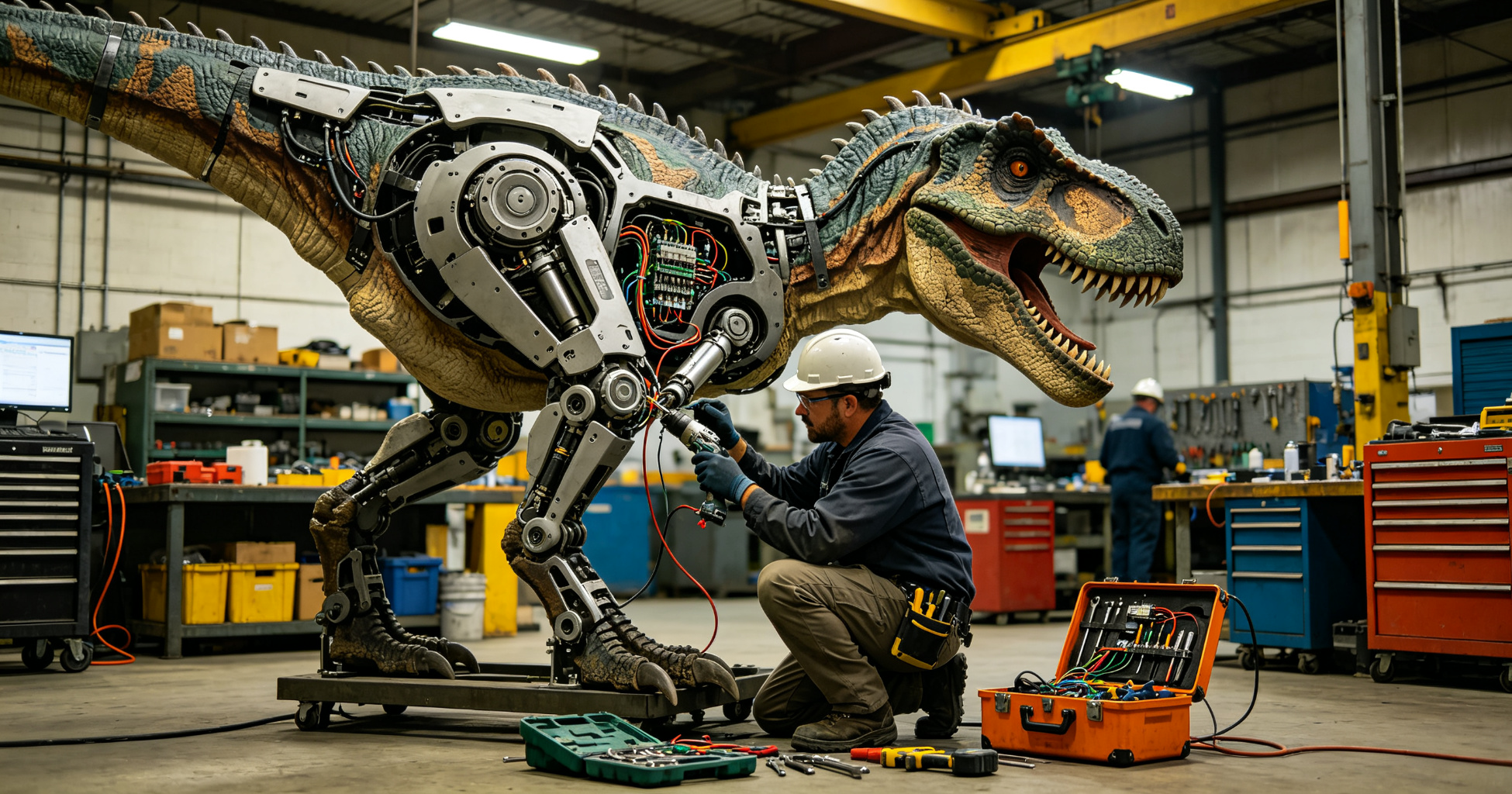
- Durability for high traffic: Museum exhibits run for years with daily operation. Heavy-duty construction, easily serviceable components, and repairable skins are essential.
- Accessibility: Museum exhibits must be accessible to visitors with disabilities — wheelchair viewing height, hearing loop audio compatibility, tactile elements for visually impaired visitors.
Exhibit Design Strategies for Maximum Impact
How you place and present an animatronic dinosaur in a museum has as much impact on its educational value as the dinosaur itself. Consider these proven strategies:
1. Build a Narrative Arc
Design the exhibit so visitors move through a story. Start with fossil evidence, transition to what scientists know about the animal, and culminate with the full-size animatronic that brings the science to life. This progression from evidence to reconstruction models the scientific process and gives visitors a framework for understanding what they are seeing.
2. Layer Information at Different Levels
Not all visitors want the same depth of information. Provide multiple access points: simple signage for casual visitors, detailed panels for enthusiasts, QR codes linking to extended content for deep divers, and staff-led demonstrations for school groups. The animatronic itself can include different modes triggered by buttons — basic mode, detailed mode, Q&A mode.
3. Add Interactive Elements
Interactive components around the animatronic dinosaur deepen the educational experience:
- Touchable scale or skin samples so visitors can feel the texture
- Button-activated fact sequences on the dinosaur
- AR overlays showing skeletal structure inside the body
- Measuring tapes and height charts for size comparison
- Fossil dig pits or bone puzzle stations nearby
4. Create Photo Moments That Extend Reach
Design at least one "photo op" position where visitors can take pictures with the dinosaur. This drives social media sharing, which in turn drives new visitation. Add museum branding and exhibit hashtags in the photo area to maximize reach. A well-placed dinosaur photo spot can generate hundreds of thousands of organic social impressions per year.
Case Study: Natural History Museum Dinosaur Hall Renovation
A mid-sized natural history museum in the southern United States renovated its dinosaur hall in 2024, replacing a static skeleton display with three SAGE animatronic dinosaurs (T-Rex, Triceratops, and Velociraptor pack) integrated into a Cretaceous period diorama with interactive educational stations. Results after one year:
- Overall museum attendance increased 22% year-over-year
- Dinosaur hall dwell time increased from 8 minutes to 22 minutes
- Visitor satisfaction scores for the dinosaur exhibit: 4.8/5 (up from 3.4/5)
- School group bookings increased 41%
- Gift shop dinosaur merchandise sales increased 68%
- Social media mentions with the museum's dinosaur hashtag: over 37,000
The museum director noted that the animatronic exhibit had become the institution's "single biggest draw" and credited it with reversing a multi-year attendance decline.
Planning Your Museum Dinosaur Exhibit
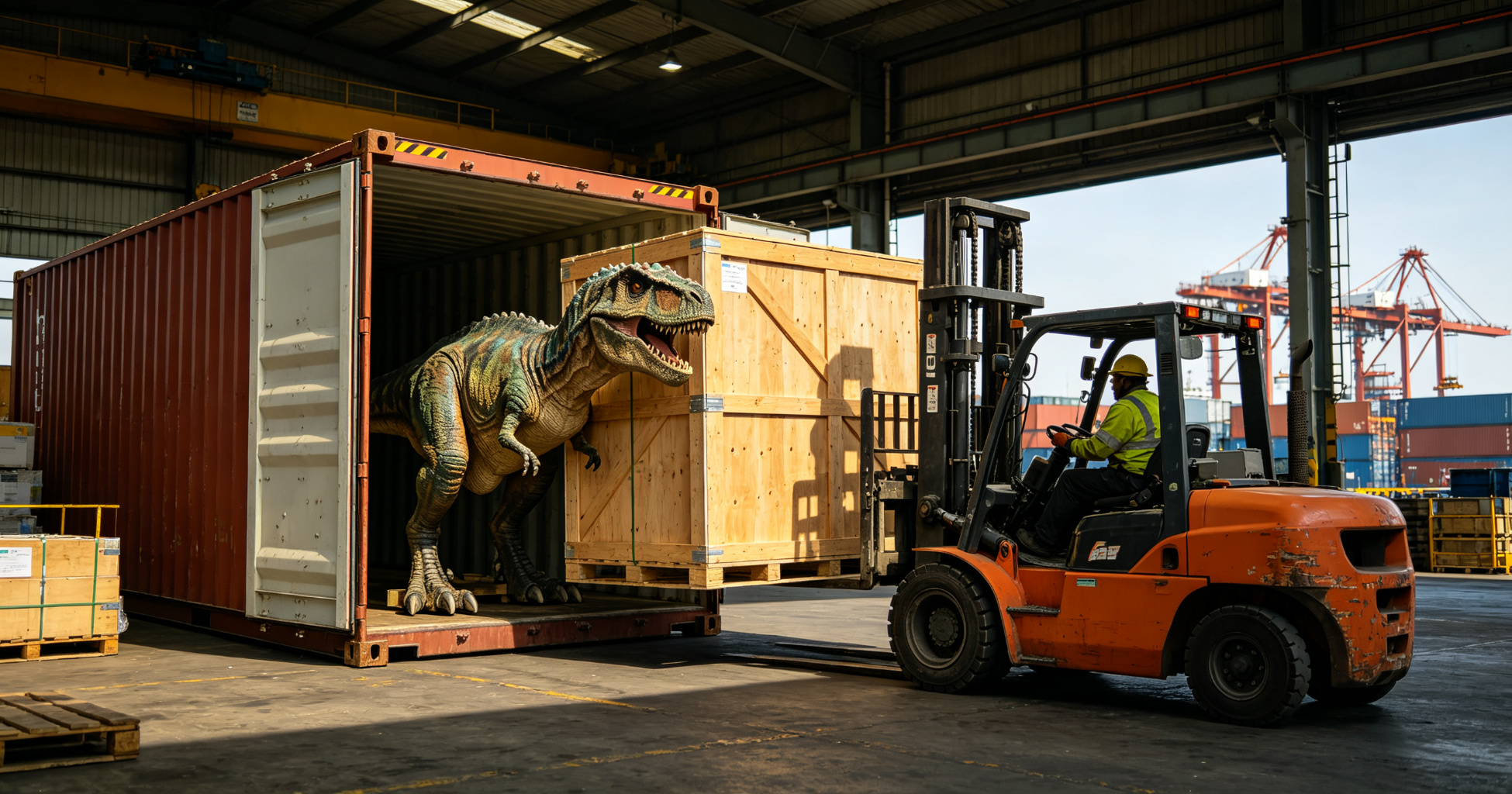
If you are considering adding animatronic dinosaurs to your museum, start planning 6-12 months before your target opening date. The process typically includes: concept development and species selection, scientific review, 3D design renderings, production (45-90 days depending on complexity), shipping, installation, staff training, and a soft opening period for fine-tuning.
Budget for the dinosaur itself plus exhibit design, supporting educational content, installation, and a maintenance reserve. As a rule of thumb, the dinosaur purchase is typically 40-60% of the total exhibit budget.
Most importantly, choose a manufacturer with museum experience and a track record of scientific accuracy. The best manufacturers will work with your curatorial team throughout the process to ensure the final product meets both your educational goals and your entertainment expectations.