One of the most common questions we get from clients is whether they should invest in animatronic (moving) dinosaurs or static (non-moving) fiberglass sculptures. The answer depends on your goals, budget, location, and audience. Both options have advantages, and the best choice is not always the most obvious one.
In this guide, we compare animatronic dinosaurs and static fiberglass dinosaurs across every important dimension — cost, engagement, durability, maintenance, lifespan, and ROI — to help you make an informed decision for your specific project.
Quick Overview: What Each Option Is
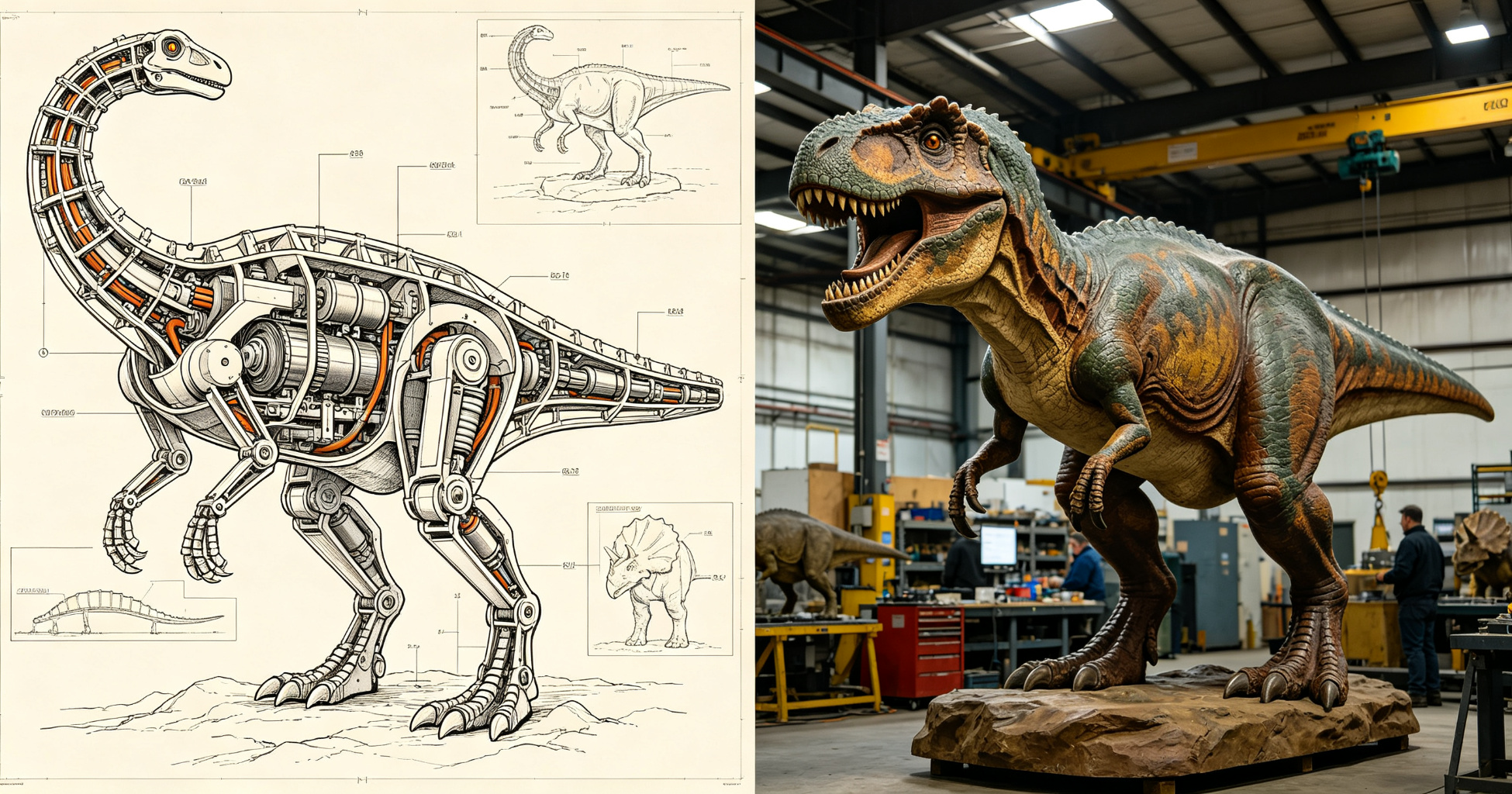
Animatronic dinosaurs are robotic, moving models with internal motors, control systems, and sound. They roar, blink, breathe, turn their heads, swing their tails, and perform various other movements. They are the "alive" option — they create the impression that the dinosaur is real and present.
Static fiberglass dinosaurs are sculptures made of fiberglass with a painted finish. They do not move or make sounds. They are the "statue" option — permanent, low-maintenance, and visually impressive in their own right.
Both can be life-size, realistic, and visually stunning. The difference is in how they achieve their impact — one through movement and sound, the other through form, scale, and craftsmanship.
Comparison Factor by Factor
1. Upfront Cost
This is the biggest difference. Animatronic dinosaurs cost significantly more than comparable static models because of the internal mechanics, motors, control system, and sound system.
- Static fiberglass (8m T-Rex): $4,000 – $8,000
- Animatronic (8m T-Rex, standard movements): $15,000 – $30,000
- Ratio: Animatronic typically costs 2-5x the price of a comparable static model
For very large dinosaurs (15m+), the gap narrows somewhat because the structural frame becomes a bigger portion of the cost in both cases. But animatronic still costs substantially more.
Winner on cost: Static fiberglass
2. Visitor Engagement and Impact
This is where animatronic dinosaurs dominate. A moving, roaring dinosaur creates an emotional response that a static sculpture simply cannot match. Visitors jump, laugh, stare, take videos, and stay longer.
- Dwell time: Visitors spend 2-4x longer at an animatronic exhibit compared to a comparable static display
- Emotional impact: Animatronics create "wow" moments that people remember and talk about
- Repeat viewing value: Visitors will watch an animatronic dinosaur multiple times to see different movements; static models get one glance
- Social media: Animatronic dinosaurs generate 3-5x more social media shares and video posts than static sculptures
- Educational impact: Interactive, multi-sensory experiences improve knowledge retention by 40-60%
That said, a well-placed, well-executed static sculpture still has impact. A giant 20m Brachiosaurus sculpture towering over the entrance is impressive regardless of whether it moves. But the animatronic version is dramatically more engaging.
Winner on engagement: Animatronic
3. Durability and Lifespan
This is where static models have a major advantage. A fiberglass sculpture has no moving parts, no motors, no electronics — nothing to break or wear out. With proper care, a fiberglass dinosaur can last 20-30 years or more with minimal degradation.
- Static fiberglass lifespan: 20-30+ years outdoors, essentially indefinite indoors
- Animatronic lifespan: 10-15 years with proper maintenance, with major components (motors, electronics) needing replacement after 7-10 years
- Outdoor durability: Fiberglass is essentially weatherproof; animatronic systems require weather protection and ongoing maintenance
- Vandal resistance: Fiberglass is tough and hard to damage; animatronics have more vulnerable components
If you want something you can install and forget about for 20 years, static fiberglass is the clear choice. If you want maximum engagement and are willing to invest in maintenance, animatronic is the way to go.
Winner on durability: Static fiberglass
4. Maintenance Requirements
Maintenance effort and cost are very different between the two options:
- Static fiberglass maintenance: Minimal — wash it occasionally, inspect for cracks, touch up paint every few years, check structural integrity annually. A few hours per year of simple maintenance.
- Animatronic maintenance: Significant — daily visual inspections, weekly mechanical checks, monthly electrical inspections, quarterly full service, annual professional maintenance. Expect to spend 2-5% of the purchase price per year on maintenance and parts.
For attractions with dedicated maintenance staff, this is manageable. For locations with limited technical resources, the maintenance burden of animatronic dinosaurs can be a real concern.
Winner on low maintenance: Static fiberglass
5. Installation Complexity
- Static fiberglass: Relatively simple — position it, secure the base, done. Usually a one-day job for medium-size models.
- Animatronic: More complex — assembly, mechanical connection, electrical connection, programming, testing, calibration. Typically 2-3 days for a medium-size dinosaur, longer for large or custom models.
Installation cost is correspondingly lower for static models — usually just the cost of a crane and a few workers. Animatronic installation requires a qualified technician, which adds cost.
Winner on installation simplicity: Static fiberglass
6. Total Cost of Ownership (10-year comparison)
When you look at total cost over 10 years, the gap narrows considerably:
- Static fiberglass 8m T-Rex: ~$6,000 purchase + ~$1,500 maintenance over 10 years = ~$7,500 total
- Animatronic 8m T-Rex: ~$22,000 purchase + ~$8,000 maintenance/parts over 10 years = ~$30,000 total
- Ratio: Animatronic is about 4x more expensive over 10 years
But this does not account for the revenue or engagement benefit. If the animatronic dinosaur generates 2x more ticket sales or foot traffic, the higher cost is easily justified.
Winner on TCO: Static fiberglass (lower absolute cost), but animatronic may have better ROI
Which Option Is Right for You?
Choose Animatronic If:
- Your primary goal is visitor engagement and entertainment
- You can measure ROI through ticket sales, attendance, or increased revenue
- You have (or are willing to hire) technical staff for maintenance
- The dinosaur is a featured or signature attraction
- Your audience expects a high-tech, immersive experience
- You plan to use it as a marketing draw and social media generator
Choose Static Fiberglass If:
- Your primary goal is visual impact, landscaping, or decoration
- You want something low-maintenance that you can install and forget
- Your budget is limited
- The location is very remote or difficult to service
- You need extreme durability (public art, playgrounds, water parks)
- The dinosaur serves as signage, branding, or a photo backdrop rather than a primary attraction
Best of Both: The Hybrid Approach
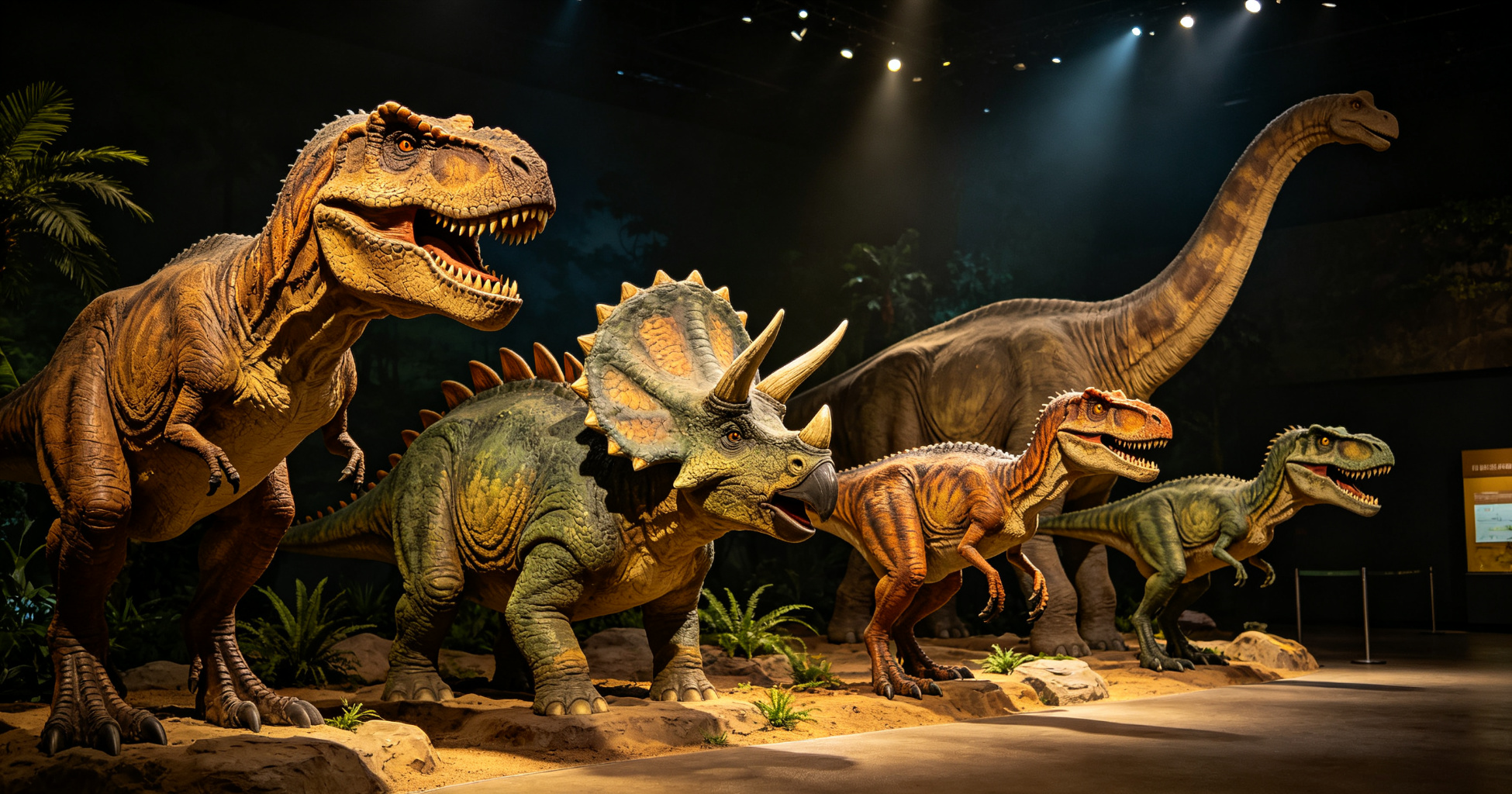
Many of our clients find the best solution is a mix — one or two animatronic dinosaurs as the main draw, supplemented by static fiberglass models to fill out the exhibit and add visual variety at lower cost. This gives you maximum impact where it matters most while staying within budget.
For example, a typical medium-size dinosaur exhibit might include: 1 large animatronic T-Rex (signature piece), 1 animatronic Triceratops (secondary feature), plus 3-5 static dinosaurs (filling out the scene, providing variety, adding photo opportunities). The total cost is much lower than making everything animatronic, but the visitor experience is still dominated by the impressive moving dinosaurs.
Final Recommendation
If you can afford it and you have a way to measure the return — ticket sales, attendance numbers, sponsorship revenue — animatronic dinosaurs almost always deliver better value. The engagement difference is dramatic enough to justify the higher price.
If the dinosaur is primarily decorative, if maintenance would be a burden, or if budget is very tight, a high-quality fiberglass sculpture is a great option that will still provide years of enjoyment with minimal effort.
Not sure which is right for your project? Contact our team with details about your space, audience, and budget, and we will recommend the best solution for your specific needs.